If you publish with help from generative tools, Google now expects a person to verify the result before it goes live. That change leads a busy week for search teams. Gemini referrals are starting to carry tracking tags, new click data moves in opposite directions on desktop and mobile, AI Mode is learning to watch topics for users, and a federal judge has closed two cases about AI Overviews.
One update changes your pre-publish checklist. Another changes how you read analytics. A third changes what a single search can become. Together, they reward clear review steps and careful measurement.
AI Content Now Needs a Manual Check, Metadata Included
On October 1, Google expanded its guidance for sites that use generative AI. The addition sits in the section about accuracy, quality, and relevance. Google explains that these models build text by predicting likely wording rather than looking up verified facts, so a person needs to check AI-assisted material before publishing.
The scope goes beyond the article body. Google extended the same review to page titles, meta descriptions, structured data, and image alt text. Those fields can appear in search results or shape how a page is understood, so an error there travels just as far as an error in a paragraph.
The practical message is plain. Generation can speed up drafting, but it does not replace verification. A named reviewer should confirm claims, numbers, names, and dates, then check the metadata with the same care.
Gemini Visits Are Getting Easier to Spot in Analytics
A Reddit user noticed tracking parameters on links from Google Gemini to external sites, and Google’s John Mueller confirmed that he can see them as well. Mueller asked whether Gemini already sends a referrer that analytics tools can capture, and he offered to pass reproducible examples to the team that handles that side of the product.
Google has not published documentation that explains when those parameters are added. A tagged visit can still be identified even when referrer information is missing. If you track Gemini through referrer data today, compare that count with sessions that carry the new tags to see whether your setup understates Gemini visits.
Do not rebuild your attribution model on one observation. Save dated examples from your logs, with landing pages included, and note whether tags appear on all Gemini referrals or only on some of them.
Desktop Click Rates Slipped While Mobile Gained, With a Caveat
Click-through figures from Advanced Web Ranking for the second quarter of 2026 show a split by device. At the first two organic positions, desktop rates fell by a combined 5.27 percentage points compared with the first quarter, while mobile rates at those positions rose by a combined 6.59 points. The pattern reverses the direction seen in the prior quarter.
Read those totals with care. Each figure combines movement at two positions, and neither describes a single site. The tables draw on Search Console data through the provider’s click tool. Your pages may have moved for other reasons, such as a ranking change or a seasonal shift in demand.
There is also a measurement issue. The comparison window crosses April 27, 2026, the date Google says it resolved a logging problem that had distorted impression counts since May 2023. The report does not discuss that problem. Since a click rate divides clicks by impressions, a correction to impressions can move the rate even when behaviour stays steady.
AI Mode Monitoring Is Opening to All Users
Google’s Robby Stein shared on September 28 that information monitoring inside AI Mode is rolling out globally to all users. People on the Google AI Ultra and Pro plans had access first. With monitoring, a user tells AI Mode which topic to follow, and Search keeps scanning for updates. AI Mode can also suggest a monitoring task during a search. Stein’s examples centred on local topics and shopping.
Google introduced this capability for Ultra subscribers in June with stronger agent language. The September update used the plainer label of information monitoring capabilities. A single question can now become an ongoing watch that returns new information over time.
For businesses, the open question is sourcing. Google has said updates will include links to the web, yet neither announcement explains how Search selects the sources behind an alert. Once the feature reaches your account, set up a watch for your type of business and inspect which sites appear and whether the update carries links.
A Court Decision That Changes Tactics, Not the Rules of Search
On September 30, U.S. District Judge Amit Mehta granted Google’s requests to dismiss antitrust complaints brought by Penske Media and Chegg over AI Overviews. The ruling covered both cases. The judge found that the complaints did not plausibly describe an agreement in which Google traded search traffic for publisher content. He also found that the plaintiffs lacked standing to challenge how Google allegedly maintains its position in search, and that Penske had not shown Search and AI Overviews to be separate products.
The court declined to address related state claims about unjust enrichment and acknowledged that the alleged harms deserve serious attention. It also presented broader economic disruption from new technology as a matter for lawmakers. The decision does not require Google to alter how it uses publisher material in Search or AI Overviews.
Do not build a visibility plan that assumes a court will soon force a different system for AI answers. Keep improving the assets you control, such as clear product information, strong service pages, and content that earns citations through usefulness and accuracy.
What Marketers Should Do This Week
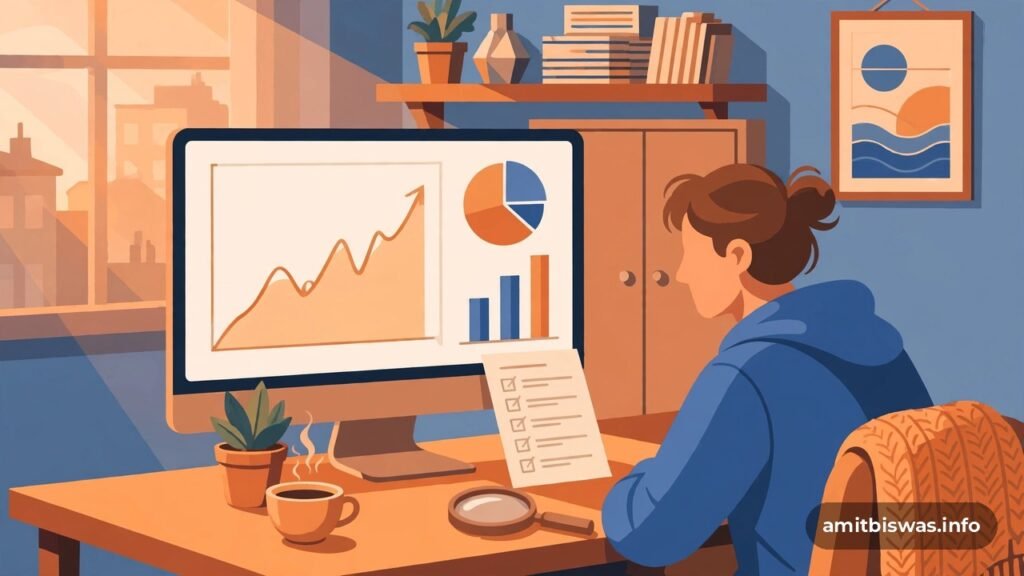
Start with the fact-check rule, because it touches every new page. Add a short verification step to your publishing flow and assign it to a named person. The reviewer confirms claims in the body, then checks the title, meta description, structured data, and alt text before anything ships. Keep a simple log of who reviewed each piece and when.
Next, review your analytics without changing historical data. Look for Gemini referrals with and without tracking tags. In Search Console, annotate the late April correction date so future reports do not misread a measurement shift as a behaviour shift, and review desktop and mobile clicks separately.
Finally, test monitoring as a user. Create a watch tied to your market, such as a price change or a local event that matters to your customers, and note the sources the update cites.
FAQ
What exactly did Google add about fact-checking AI content? Google added guidance that a person should manually check AI-generated material before publishing. The review covers the main text and also titles, meta descriptions, structured data, and image alt text.
Does this mean sites cannot use AI to help create content? No. Generative tools can still help with creation. The publisher must verify the result with human review before the page goes live.
How can I tell whether Gemini traffic is reaching my site? Check analytics for Gemini referrals and for tagged sessions. Compare both counts over the same dates, and keep dated log examples because Google has not documented when tags are added.
Should I trust the desktop and mobile click figures for my own site? Use the quarterly figures as context only. Check your own clicks, impressions, and positions by device, keeping the late April impression correction in mind.
What does the court ruling mean for AI Overviews visibility work? The ruling removed those two complaints and did not order changes to AI Overviews. Keep focus on accurate pages that answer real questions and earn references through quality.